

The lifespan of an FPC (Flexible Printed Circuit) Wifi Antenna is a crucial consideration for both consumers and businesses, especially in an era where wireless connectivity is ubiquitous. As a supplier of FPC Wifi Antennas, I have witnessed firsthand the diverse factors that influence the longevity of these essential components. In this blog, I will delve into the various elements that determine how long an FPC Wifi Antenna can last, providing insights based on industry knowledge and practical experience.
Understanding FPC Wifi Antennas
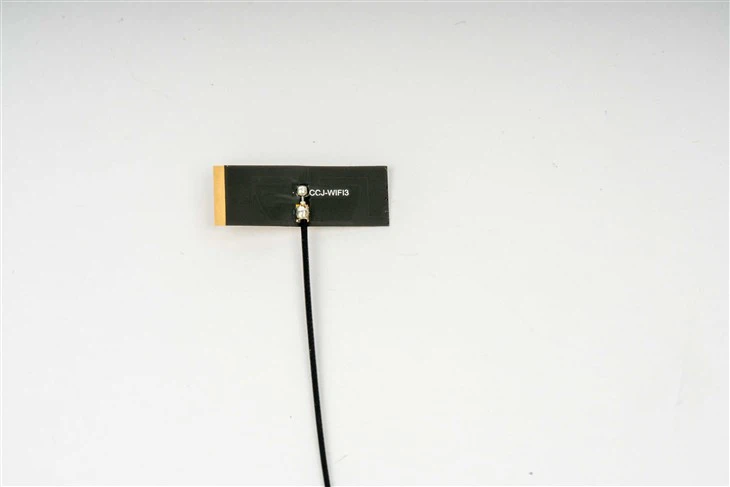
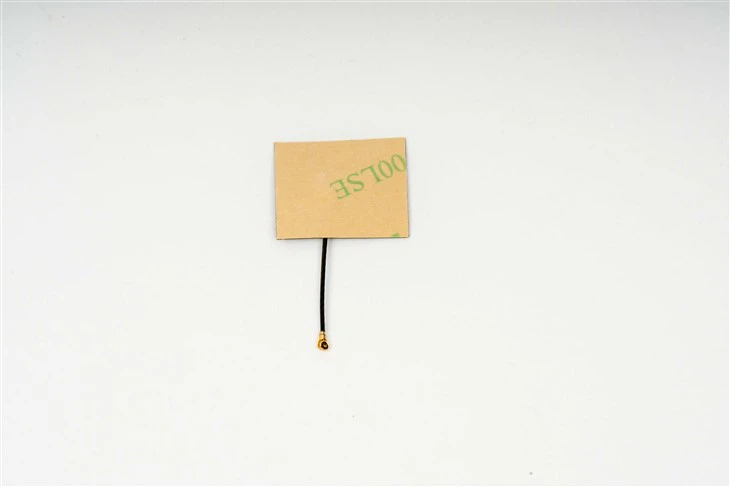
Before discussing the lifespan, it's important to understand what FPC Wifi Antennas are. FPC Wifi Antennas are made from flexible printed circuit boards, which offer several advantages over traditional rigid antennas. They are lightweight, thin, and can be easily bent or shaped to fit into various devices, making them ideal for applications such as smartphones, tablets, laptops, and IoT (Internet of Things) devices. The flexibility of FPC antennas allows for more creative and compact device designs, while also providing good performance in terms of signal reception and transmission.
The link to our FPC Wifi Antenna product page provides detailed information about the features and specifications of our offerings.
Factors Affecting the Lifespan of FPC Wifi Antennas
1. Material Quality
The quality of the materials used in the manufacturing of FPC Wifi Antennas is a fundamental factor in determining their lifespan. High - quality copper foils, dielectric materials, and protective coatings can significantly enhance the durability of the antenna. Copper foils with high purity and good conductivity are less likely to corrode or develop electrical resistance over time. Dielectric materials with stable electrical properties ensure consistent performance, while protective coatings can prevent damage from environmental factors such as moisture, dust, and chemicals.
For example, if an FPC Wifi Antenna is exposed to a humid environment, a poor - quality protective coating may allow moisture to penetrate the antenna, leading to corrosion of the copper traces and a degradation of performance. On the other hand, a well - coated antenna can resist moisture and maintain its functionality for a longer period.
2. Manufacturing Process
The manufacturing process also plays a vital role in the lifespan of FPC Wifi Antennas. Precise manufacturing techniques ensure that the antenna is constructed with high precision, minimizing the risk of defects such as short circuits, open circuits, or uneven copper plating. Advanced manufacturing processes, such as laser cutting and automated assembly, can produce antennas with consistent quality and performance.
In addition, proper quality control during the manufacturing process is essential. This includes testing the antennas at various stages of production to ensure that they meet the required specifications. Antennas that pass rigorous quality control tests are more likely to have a longer lifespan.
3. Operating Conditions
The operating conditions of the FPC Wifi Antenna have a significant impact on its lifespan. Temperature, humidity, and mechanical stress are some of the key factors to consider.
- Temperature: Extreme temperatures can cause the materials in the antenna to expand or contract, which may lead to mechanical stress and damage. High temperatures can also accelerate the aging process of the materials, reducing their electrical and mechanical properties. For example, if an FPC Wifi Antenna is installed in a device that generates a lot of heat, such as a high - performance gaming laptop, the antenna may be exposed to temperatures that exceed its recommended operating range, shortening its lifespan.
- Humidity: As mentioned earlier, high humidity can cause corrosion of the copper traces in the antenna. In addition, moisture can also affect the dielectric properties of the antenna, leading to a decrease in performance. Antennas used in outdoor or high - humidity environments need to be designed with proper moisture - resistant features.
- Mechanical Stress: FPC Wifi Antennas are often subjected to mechanical stress during installation, use, or transportation. Bending, twisting, or stretching the antenna beyond its recommended limits can cause damage to the copper traces or the substrate, resulting in a loss of performance or even complete failure. For example, if an FPC antenna is bent too sharply during the assembly of a device, it may develop cracks in the copper traces, which can disrupt the electrical signal.
4. Usage Patterns
The way an FPC Wifi Antenna is used also affects its lifespan. Continuous operation at high power levels can generate more heat, which can accelerate the aging process of the materials. Frequent on - off cycling or rapid changes in signal strength can also put additional stress on the antenna.
For example, in a wireless access point that is constantly transmitting and receiving data at high speeds, the FPC Wifi Antenna may experience more wear and tear compared to an antenna in a device that is used intermittently or at lower power levels.
Typical Lifespan of FPC Wifi Antennas
Based on industry standards and our experience as a supplier, the typical lifespan of an FPC Wifi Antenna can range from 3 to 10 years. However, this is a very general estimate, and the actual lifespan can vary significantly depending on the factors mentioned above.
Antennas used in consumer electronics such as smartphones and tablets may have a shorter lifespan, typically around 3 - 5 years. This is because these devices are often replaced more frequently, and the antennas are exposed to a wide range of operating conditions. On the other hand, antennas used in industrial or commercial applications, where the operating conditions are more controlled and the devices are expected to have a longer service life, can last up to 10 years or more.
Extending the Lifespan of FPC Wifi Antennas
As a supplier, we understand the importance of helping our customers extend the lifespan of their FPC Wifi Antennas. Here are some recommendations:
- Proper Installation: Ensure that the antenna is installed correctly, following the manufacturer's guidelines. Avoid bending or stretching the antenna beyond its recommended limits.
- Environmental Protection: If the antenna is used in a harsh environment, consider using additional protective measures such as enclosures or coatings to protect it from moisture, dust, and chemicals.
- Regular Maintenance: Periodically inspect the antenna for any signs of damage or wear. If any issues are detected, replace the antenna promptly to prevent further problems.
- Optimal Operating Conditions: Try to operate the antenna within its recommended temperature, humidity, and power levels. Avoid exposing the antenna to extreme conditions whenever possible.
Related Products
In addition to FPC Wifi Antennas, we also offer FPC 4G Antenna products. These antennas are designed to provide reliable 4G connectivity for a variety of devices, and they share many of the same durability - related considerations as FPC Wifi Antennas.
Conclusion
The lifespan of an FPC Wifi Antenna is influenced by a variety of factors, including material quality, manufacturing process, operating conditions, and usage patterns. By understanding these factors and taking appropriate measures to protect and maintain the antenna, users can extend its lifespan and ensure reliable wireless connectivity.
As a supplier of FPC Wifi Antennas, we are committed to providing high - quality products that meet the needs of our customers. If you are interested in purchasing FPC Wifi Antennas or have any questions about their lifespan and performance, please feel free to contact us for further discussion and procurement negotiation.
References
- "Antenna Engineering Handbook", Fourth Edition, by John L. Volakis
- Industry reports on FPC antenna manufacturing and performance.