

Hey there! As a supplier of MS Housing, I often get asked about the humidity level in MS Housing areas. It's a crucial factor that can significantly impact the performance and longevity of the housing and the components it protects. In this blog, I'll share some insights on what the ideal humidity level is, why it matters, and how to manage it.
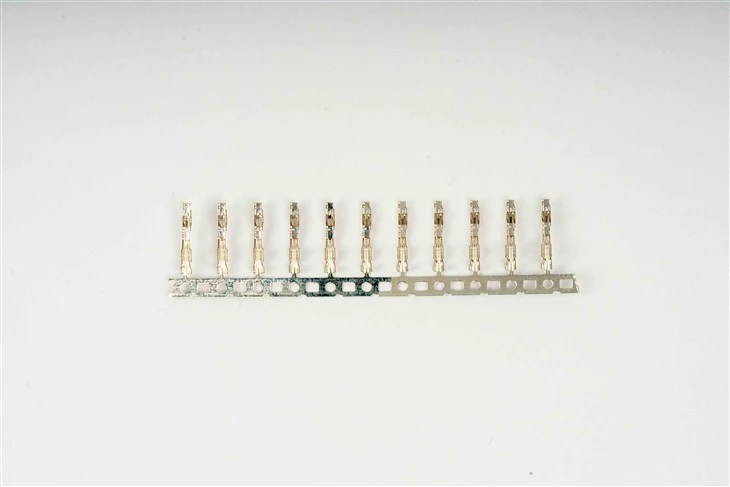
First off, let's talk about what MS Housing is. MS Housing is a type of housing commonly used in automotive applications. It provides a protective enclosure for electrical connectors, such as ZE Connector and CM Connector, shielding them from environmental factors like moisture, dust, and vibrations.
Now, onto the humidity level. The ideal humidity level in MS Housing areas typically ranges between 30% and 60%. This range is considered optimal because it helps prevent several issues that can arise due to excessive or insufficient moisture.
When the humidity is too high, above 60%, it can lead to condensation inside the housing. Condensation is the formation of water droplets on surfaces when warm, moist air comes into contact with a cooler surface. This can cause corrosion of the electrical connectors and other metal components within the housing. Corrosion can increase the resistance of the electrical connections, leading to poor electrical performance, signal loss, and even complete failure of the system. Moreover, high humidity can also promote the growth of mold and mildew, which not only damages the housing but can also pose health risks if the housing is in an enclosed space.

On the other hand, when the humidity is too low, below 30%, it can cause the materials in the housing to dry out and become brittle. This can lead to cracks in the housing, which can allow moisture, dust, and other contaminants to enter, compromising the protection of the connectors. Additionally, low humidity can increase the risk of static electricity buildup, which can damage sensitive electronic components.
So, how do you measure the humidity level in MS Housing areas? You can use a hygrometer, which is a device specifically designed to measure humidity. There are various types of hygrometers available, ranging from simple analog models to more advanced digital ones with additional features like data logging. Place the hygrometer inside the housing or in the immediate vicinity to get an accurate reading of the humidity level.
Once you know the humidity level, you can take steps to manage it. If the humidity is too high, you can use desiccants. Desiccants are substances that absorb moisture from the air. Silica gel is a commonly used desiccant in MS Housing applications. You can place silica gel packets inside the housing to reduce the moisture content. Another option is to use a dehumidifier in the area where the housing is located. Dehumidifiers work by removing moisture from the air, helping to maintain a lower humidity level.
If the humidity is too low, you can use a humidifier. A humidifier adds moisture to the air, increasing the humidity level. However, it's important to use a humidifier carefully and monitor the humidity level closely to avoid over - humidifying the area.
In automotive applications, the MS Housing is often exposed to a wide range of environmental conditions. For example, during the rainy season or in coastal areas, the humidity can be quite high. In such cases, it's even more important to pay attention to the humidity level in the housing. Regular inspections and maintenance can help ensure that the humidity level is within the optimal range.
When it comes to choosing the right MS Housing for your application, it's also important to consider its moisture - resistance properties. Some MS Housing products are designed with better sealing and moisture - protection features than others. Look for housing that is made from high - quality materials and has a good track record of performance in humid environments.
Another aspect to consider is the installation of the MS Housing. Proper installation is crucial for maintaining the integrity of the housing and its ability to protect against moisture. Make sure that the housing is properly sealed and that all the connections are tight. Any gaps or loose connections can allow moisture to enter the housing.
In addition to humidity, temperature also plays a role in the performance of MS Housing. High temperatures can exacerbate the effects of high humidity, increasing the rate of corrosion and mold growth. Conversely, low temperatures can cause the materials in the housing to contract, potentially leading to cracks. Therefore, it's important to consider the temperature range in which the housing will operate and choose a housing that can withstand those conditions.
As a supplier of MS Housing, I understand the importance of providing high - quality products that can perform well in different humidity and temperature conditions. We work closely with our customers to understand their specific requirements and recommend the most suitable housing solutions. Whether you're using ZE Connector or CM Connector, we have the right MS Housing to protect your connectors and ensure the reliable operation of your electrical systems.
If you're in the market for MS Housing or have any questions about humidity levels and how they affect your application, I'd love to hear from you. Contact us to discuss your needs, and we can work together to find the best solution for you. Whether you're a small - scale automotive repair shop or a large - scale automotive manufacturer, we're here to support you.
In conclusion, maintaining the right humidity level in MS Housing areas is essential for the proper functioning and longevity of the housing and the electrical connectors it protects. By understanding the ideal humidity range, measuring the humidity level regularly, and taking appropriate steps to manage it, you can ensure the reliability and performance of your automotive electrical systems.
References
- "Automotive Electrical Systems Handbook"
- "Moisture and Corrosion in Electrical Components"
- "Environmental Factors Affecting Automotive Connectors"